A Momoyoga guide to pricing yoga classes
Pricing is one of the most powerful tools you have as a yoga teacher or studio owner. It is a reflection of your value, your brand, and the kind of community you want to build.
Your pricing reflects your positioning; it tells the world who you are. A boutique studio with high-end amenities may lean toward premium memberships, while a community-focused teacher in a rented hall may emphasize accessibility and inclusivity. The right pricing ensures that your business can cover its costs such as rent, utilities, software, marketing, and of course you allow yourself and your teachers to be paid fairly. When your studio is financially healthy, you can continue offering classes for years to come. Finally, thoughtful pricing can encourage students to start their yoga journey with you or to commit to their practice.
In this guide
- Know Your Numbers
- Pricing Options for Yoga
- Tiered Pricing in Practice
- Strategies That Boost Revenue
- Legal, Tax & Payment Considerations
- Testing & Adjusting Prices Over Time
Know Your Numbers
Before you decide what to charge, you need to understand your costs. When you know your numbers, you can set prices that are sustainable, fair to your teachers, and attractive to your students.
Step 1: List all fixed monthly costs
These are expenses you pay whether one person or twenty people show up:
- Rent or space hire (studio lease or per-hour room rental)
- Teacher pay (including yourself!)
- Utilities & cleaning (electricity, heating, cleaning services)
- Insurance (liability, property, health)
- Marketing (ads, flyers, social media tools)
- Software & admin tools (e.g. Momoyoga subscription, Zoom for online classes, accounting software)
Tip: If you run workshops or sell retail items (mats, props), keep those revenues and costs separate from your core class pricing. This helps you see if your regular classes are self-sustaining.
Step 2: List variable costs (per class/student)
These depend on how many classes you run or how many students attend:
- Substitute teacher pay (when covering classes)
- Printing class cards, handouts, or props wear-and-tear
- Transaction fees (credit card or Stripe/PayPal fees)
- Consumables (candles, incense, tea, cleaning wipes)
- Even small costs add up, so don’t forget them.
Step 3: Calculate your per-class cost
Here’s the formula:
(Total monthly expenses ÷ number of classes per month) ÷ average students per class = minimum price per student
Example:
- Expenses: €4,000/month
- Classes: 40 per month (10 per week)
- Avg. attendance: 10 students
€4,000 ÷ 40 ÷ 10 = €10 per student minimum
This is your baseline. It's the bare minimum you must charge per student to cover costs. Your actual prices should be higher to allow for profit and growth.
Step 4: Factor in desired margin & growth
Once you know your break-even, add a margin to cover:
- Studio growth (saving for new props, equipment, renovations)
- Teacher development (training, workshops, certifications)
- Profit (your time and effort deserve compensation)
Example:
If your break-even is €10 per student, setting a drop-in rate at €15 gives you €5 profit per student. With 10 students, that’s €50 extra per class — €2,000/month for reinvestment or savings.
Step 5: Track, test, and adjust
Your numbers aren’t static — they change with attendance, seasons, and expenses.
- Use Momoyoga to see average attendance per class, total revenue, and teacher payouts.
- Revisit your numbers quarterly to make sure your pricing still works.
- If attendance drops, recalculate and adjust your offers accordingly (intro passes, seasonal specials, etc.).
Not sure where to find these numbers? In Momoyoga, you can export an orders and payments overview that gives you a clear breakdown of attendance, revenue, and teacher payments.
Pricing Options for Yoga
There isn’t one “right” way to price your yoga classes. The best approach depends on your students, your goals, and the type of community you want to build. Most studios use a mix of pricing options, giving them the flexibility for occasional yogis while encouraging regulars to commit.
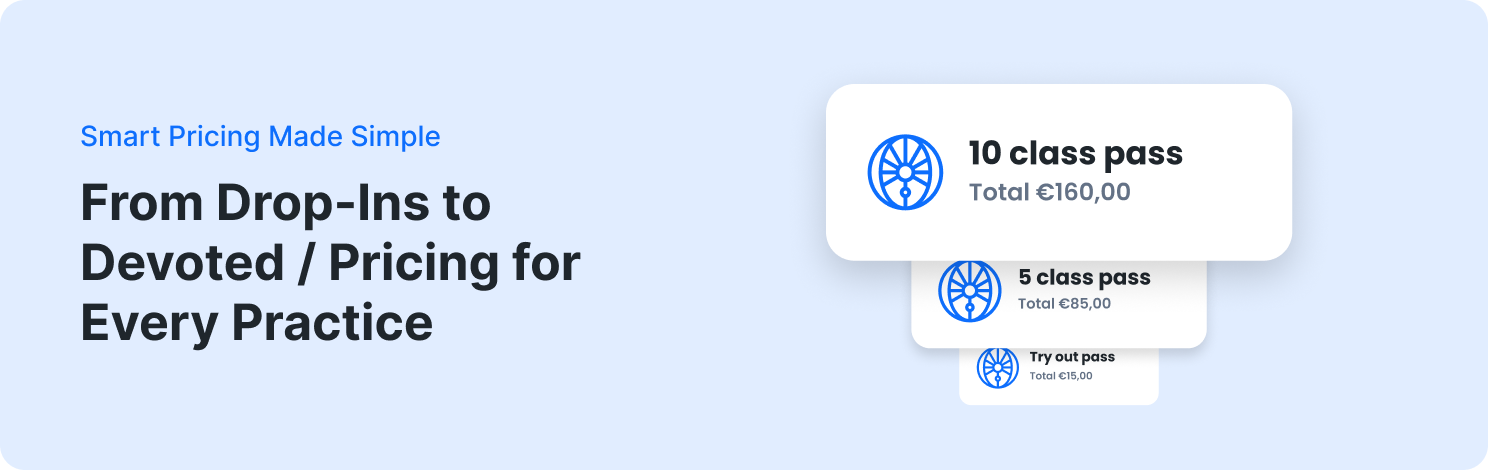
Below are the most common pricing options, with their strengths, challenges, and best-use cases.
1. Drop-in Rates
What it is: Students pay per class, no commitment.

Drop-in classes are highly flexible, making them an ideal entry point for beginners or one-time visitors. They are easy to understand and communicate, which appeals to first-time students testing the waters, travelers, or occasional yogis. However, drop-ins are the least profitable option and don’t encourage long-term commitment or loyalty. To nudge students toward ongoing participation, it’s best to keep your drop-in rate deliberately higher than your per-class membership or class-pass rate.
2. Class Passes (Packs of 5 or 10)
What it is: Students pre-purchase a set number of classes (often with an expiry date).

Class passes encourage semi-regular attendance while providing upfront cash flow. They are a perfect middle option for students who want flexibility but can’t commit to weekly classes. The main drawback is that some students may not use all their classes before they expire, and revenue is less predictable than memberships. Setting expiry dates, such as three months, helps encourage regular use. Offering both small (e.g. five classes) and larger packs (e.g. ten classes) gives students flexibility. In Momoyoga, you can create both class passes and memberships to suit different needs
3. Memberships (Recurring Auto-pay)
What it is: Students pay a monthly fee that renews automatically.

Memberships offer the most stable and predictable revenue stream while fostering loyalty and building a habit through commitment. They are ideal for your core community who practice regularly and provide sustainable cash flow. Some students, however, may hesitate to commit if they are unsure of their attendance. Memberships can be unlimited, allowing practice as often as desired, or capped, with a set number of visits per month. In Momoyoga, memberships can be set to auto-renew, paused, or capped, making them flexible for different studio models. Explore our articles on memberships to learn how to manage them, create different types of memberships, and more.
4. Hybrid Bundles
What it is: Combine in-person classes with livestream access and/or on-demand video libraries.

Offering online or hybrid options meets diverse lifestyle needs, such as travel, childcare, or busy schedules, and adds value to your memberships. While this requires extra setup, including equipment and video hosting, it helps differentiate your studio. Here are some example options:
- In-person + livestream: €89/month.
- Hybrid (in-person + livestream + video library): €109/month.
- Online-only: €39/month.
These options expand accessibility and convenience for students without replacing in-person experiences.
5. Courses & Workshops
What it is: A defined series of classes (e.g. 6-week beginner course) or one-off workshops/retreats.

Structured courses and workshops appeal to students who enjoy guided learning journeys. They generate higher upfront revenue and add depth and expertise to your offerings. The main challenges are that they require advance planning and marketing and are less flexible for drop-ins. Courses are particularly effective for attracting beginners or specialized audiences, such as prenatal yoga or meditation, and can serve as onboarding funnels into memberships. Offering early-bird pricing encourages sign-ups and boosts participation.
6. Donation & Sliding Scale
Pay-what-you-can classes build inclusivity and accessibility, making them ideal for community sessions, outdoor events, or special causes. While they foster community engagement, revenue is less predictable, and some students may underpay if guidelines aren’t clear. It’s best to set a suggested donation range (e.g. €10–15) so students have guidance on what’s expected. These classes work best alongside regular paid classes rather than replacing them, ensuring your studio maintains stable income while supporting accessibility.
Tiered Pricing in Practice
Most studios benefit from a tiered approach to pricing that offers a variety of options, from a low-commitment entry point for new students to sustainable membership models for regulars. By offering a mix of these options, you can appeal to a wider range of clients and build a sustainable business.
Example tier:
- Drop-in: €15
- 5-Class Pass: €65 (€13/class)
- 10-Class Pass: €120 (€12/class)
- Unlimited Membership: €89/month
Hybrid tier example:
- In-person only: €79/month
- Hybrid (in-person + livestream + video library): €99/month
- Online-only: €39/month
Strategies That Boost Revenue
By strategically implementing various pricing and promotion strategies, you can increase your studio's revenue while providing value to your students:
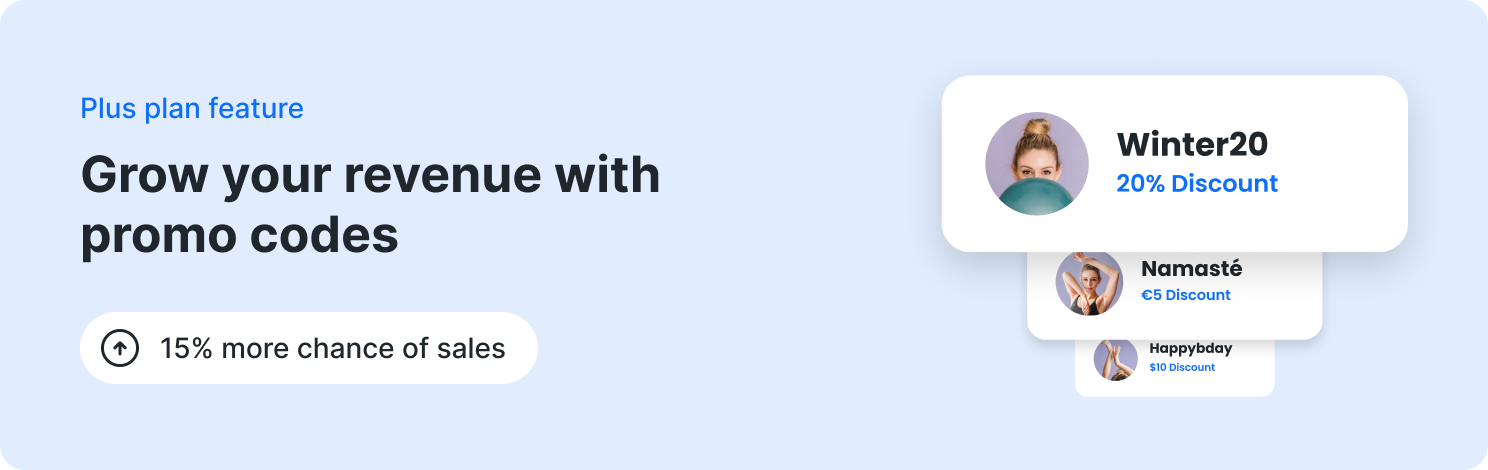
- Intro offers: e.g. 3 weeks unlimited for €39. (Not free, but attractive.)
- Peak vs. off-peak pricing: Discount midday classes.
- Referral & buddy passes: Reward students who bring friends.
- Loyalty pricing: Lock in lower rates for long-term members.
- Upsells: Workshops, retreats, private sessions.
Legal, Tax & Payment Considerations
- VAT / Sales tax: Know your local rules (e.g. 21% VAT in NL on fitness services).
- Refund obligations: Required in some jurisdictions.
- Payment processor fees: Stripe, PayPal, credit cards deduct % per transaction. Build this into your costs.
For more detailed information, see the Momoyoga Help Center's section on Payments & Refunds.
Testing & Adjusting Prices Over Time
Pricing isn't a one-time decision; it's an ongoing process of testing and adjusting to ensure your business remains profitable and competitive. By regularly evaluating your pricing strategy, you can make informed decisions that benefit both your studio and your students.
Key Strategies for Testing and Adjusting:
- Raise Gradually: Avoid shocking your students with a large price increase. A small, gradual increase—like €2–3 per year—is much easier for your community to accept and adapt to. Communicate these changes transparently and well in advance, explaining why they are necessary to maintain the quality of your services.
- Pilot New Offers: Before launching a new pricing model or membership type to everyone, pilot it with a small, trusted group of students. This allows you to gather feedback, work out any issues, and see how the new offer performs without a large-scale risk.
- Track Attendance & Revenue: Data is your best friend when it comes to pricing. Use your studio management software, like Momoyoga, to track attendance and revenue over time. Look for trends: Are certain classes consistently full? Are specific memberships more popular than others? Are your new offers converting students as you'd hoped? This data provides a clear picture of what's working and where you might need to make adjustments.
For more information on how to get the data you need, visit the Momoyoga Help Center's section on Exporting your data.
Was this article helpful?
That’s Great!
Thank you for your feedback
Sorry! We couldn't be helpful
Thank you for your feedback
Feedback sent
We appreciate your effort and will try to fix the article